



1st Jan 2026
How Do You Remove Mould from Fabric?
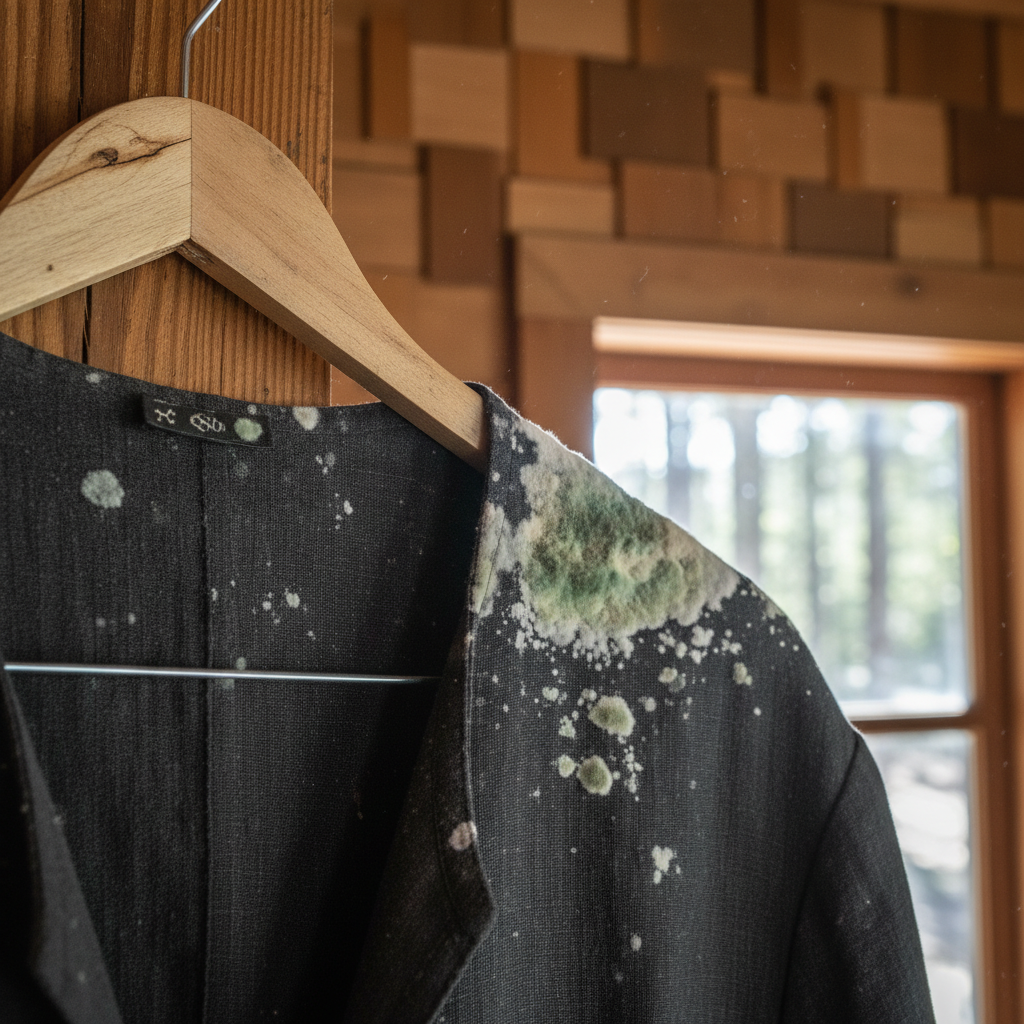
Mould on fabric is common in damp or poorly ventilated spaces, but it can often be removed safely at home. This guide explains how to remove mould from clothing and household fabrics, what to avoid, and how to stop it coming back.
Finding mould on fabric is frustrating, whether it’s on clothing in a wardrobe, curtains by a window, or upholstery that’s been stored in a damp space. The good news is that in many cases, it can be treated successfully at home without ruining the material.
So, how do you remove mould from fabric safely? The best method depends on what the fabric is made from, how severe the mould is, and whether the stain has been sitting there for weeks or months.
This guide covers the safest ways to remove mould from clothing and household fabrics, what to avoid, and how to stop it coming back.
If you’re dealing with mould on painted surfaces too, follow our step-by-step guide on how to remove mould from walls.
Why Fabric Gets Mouldy (And Why It Smells So Bad)
Fabric is one of the easiest places for mould to grow because it holds moisture in tiny fibres. Once damp fabric is left in an area with poor airflow, like a cupboard, laundry basket, wardrobe, or storage box, mould spores can settle and start growing.
That musty smell comes from mould producing gases as it grows. Even if the visible mould is gone, the smell can linger if the fabric isn’t cleaned and dried properly.
Common causes of mould on fabric include:
- Clothes stored while slightly damp
- Condensation in wardrobes or bedrooms
- Poor ventilation near windows
- Fabric left in storage for long periods
- Soft furnishings in humid rooms
Is Mould on Fabric Dangerous?
In small amounts, mould on fabric isn’t always dangerous, but it can still trigger irritation in sensitive people. Disturbing mouldy fabric can release spores into the air, which is why it’s best to handle it carefully.
If anyone in your household has asthma, allergies, or respiratory conditions, it’s a good idea to clean mouldy fabrics in a well-ventilated area and avoid shaking items indoors.
Before You Start: Check the Fabric Type and Care Label
Before using any product, check the care label for washing temperature and whether the item is suitable for bleaching or hot washes.
As a simple rule:
- Cotton and many everyday fabrics are easier to treat
- Delicate fabrics (silk, wool, linen blends) often need gentler treatment
- Upholstery and soft furnishings may need spot treatment rather than soaking
If the item is valuable or delicate, test any solution on a small hidden area first to avoid discoloration.
How Do You Remove Mould from Fabric? (Step-by-Step)
Step 1: Take the Fabric Outside (If Possible)
If the fabric has visible mould, take it outside first. This helps prevent spores spreading around the room.
Avoid shaking it instead, fold it gently and move it carefully.
Step 2: Brush Off Loose Mould (Gently)
Using a soft brush or cloth, gently remove any loose mould outdoors. This reduces how much mould you spread into the wash.
If you can’t go outside, do this near an open window and wear a mask.
Step 3: Pre-Treat the Affected Area
Before washing, pre-treat the mouldy area. This helps lift stains and kills remaining spores.
Common pre-treatment options include:
- White vinegar (for many fabrics)
- Baking soda paste (good for odours and light staining)
- A fabric-safe stain remover
- A specialist mould remover designed for fabrics (if appropriate)
Important: Always spot-test first. Some fabrics can discolour or weaken if treated too harshly.
Step 4: Wash Using the Warmest Safe Setting
Wash the item using the warmest temperature allowed on the label. Heat helps kill spores and improves cleaning performance.
If the fabric allows it, a longer cycle can help. For heavily affected items, you may need to wash twice.
Step 5: Dry Completely (This Matters Most)
Even if mould stains have lifted, mould can return if the fabric stays damp.
Dry the item fully by:
- Hanging it in direct sunlight (if possible)
- Using a tumble dryer if the label allows
- Ensuring indoor drying is well ventilated
In many cases, proper drying is what prevents mould from returning.
How to Remove Mould from Curtains and Soft Furnishings
Curtains and upholstery often sit near cold windows where condensation builds up. That makes them especially prone to mould, even when the room looks “clean.”
For curtains:
- Check whether they are machine washable
- If washable, follow the fabric steps above
- If not, spot treat gently and allow to dry fully
For upholstery:
- Blot (don’t rub) the affected area
- Avoid over-wetting the fabric
- Use a fan or dehumidifier to speed up drying
If mould is deep in cushions or padding, it may require professional cleaning.
When Mould Stains Won’t Come Out
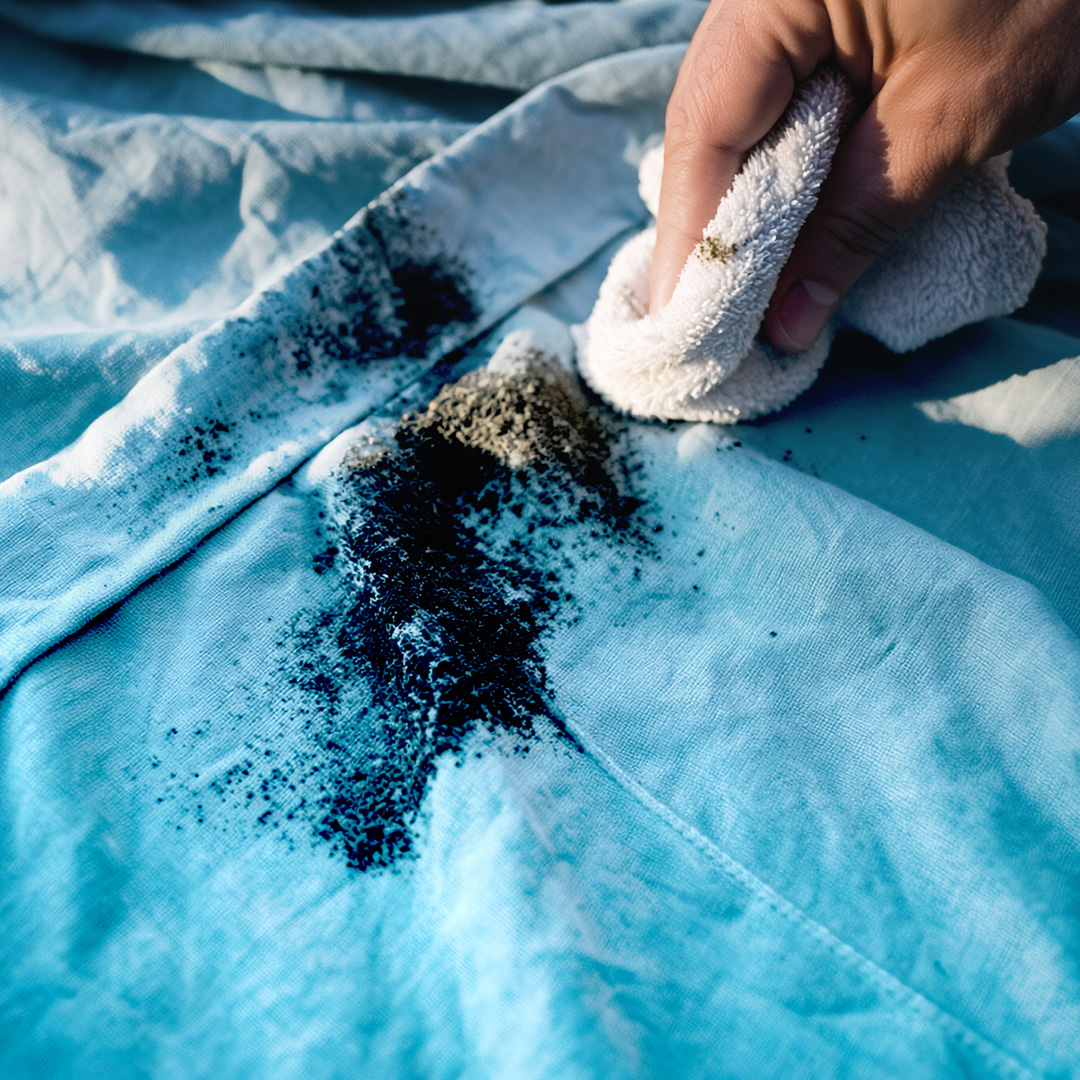
If the mould has been on fabric for a long time, it may leave staining even after cleaning. This doesn’t always mean mould is still “alive,” but it may mean the fabric has been permanently discoloured.
If stains remain after washing:
- Repeat pre-treatment and wash again
- Avoid strong scrubbing (can damage fibres)
- Consider professional cleaning for delicate items
How to Stop Mould Coming Back on Fabric
If mould has appeared once, it’s worth addressing the environment to prevent repeat problems.
To prevent mould on fabric:
- Never store clothes or fabrics while damp
- Improve airflow in wardrobes and cupboards
- Avoid pushing furniture hard against external walls
- Reduce humidity using ventilation or a dehumidifier
- Keep curtains dry and open windows regularly
If mould keeps coming back, it’s usually a humidity or condensation issue rather than a cleaning issue.
When You Should Replace the Fabric (or Call a Professional)
DIY cleaning works well for many items, but it may be better to replace or seek professional help if:
- The fabric smells strongly musty even after cleaning
- Mould has spread across multiple areas
- Upholstery foam or padding is affected
- The item is delicate or valuable
- Anyone in the household is high-risk (asthma, allergies)
How Do You Remove Mould From Fabric FAQ
Can you wash mould out of clothes?
Yes, in many cases you can wash mould out of clothes by pre-treating the affected area first, then washing on the warmest safe setting for the fabric. Drying the item completely afterwards is key to stopping mould coming back.
Does vinegar kill mould on fabric?
Vinegar can help kill mould on fabric and reduce musty smells, especially for light mould. It works best as a pre-treatment before washing, but may not remove heavy staining or long-term mould on thicker materials.
How do you remove mould from fabric without damaging it?
The safest way to remove mould from fabric without damaging it is to gently brush off loose mould, spot-test any treatment first, wash using the correct temperature for the fabric, and dry it fully. Avoid harsh scrubbing and strong chemicals on delicate materials.
Can mould stains be removed from fabric?
Sometimes, yes. Mould stains can often be improved by repeating pre-treatment and washing again. However, if mould has been there for a long time, staining may become permanent even if the mould itself has been removed.
Is mould on fabric dangerous?
Small amounts of mould on fabric aren’t always dangerous, but spores can irritate people with asthma, allergies, or respiratory conditions. It’s best to clean mouldy items in a well-ventilated area and avoid shaking the fabric indoors.
Why does mould keep coming back in wardrobes or cupboards?
Mould often comes back in wardrobes or cupboards because moisture gets trapped in enclosed spaces with poor airflow. Improving ventilation, reducing humidity, and making sure clothes are fully dry before storing them can help prevent mould returning.
Final Thoughts: Removing Mould from Fabric Safely
So, how do you remove mould from fabric without ruining it? In most cases, gentle handling, proper pre-treatment, and thorough drying are what make the biggest difference.
Our professional opinion: if mould keeps appearing on clothing or soft furnishings, it’s often a sign the room is holding too much moisture. Treating the fabric helps short-term, but improving airflow and lowering humidity is what prevents it becoming a recurring issue.
If mould is also on nearby walls or corners, read our main step-by-step guide on how to remove mould from walls.
Whether you’re dealing with mould on walls, fabrics, or other surfaces, having the right products makes all the difference. Find your nearest Get Kitted Out Approved Stockist for expert advice and trusted solutions to help you get the job done properly.