



15th Jan 2026
Winter Workwear: Staying Warm on Site
From safety boots and gloves to smart layering, here’s how to choose winter workwear that keeps you warm, comfortable, and site-ready in cold conditions.
Winter doesn’t stop the job, but poor winter workwear can slow it down. In the UK and Ireland, winter site temperatures regularly drop below 5°C, and research shows that cold conditions can reduce manual dexterity by up to 30%, making everyday tasks harder and increasing fatigue over long shifts.
That’s why choosing the right winter workwear matters. From insulated footwear and effective layering systems to dependable winter workwear gloves, the right gear helps tradespeople stay comfortable, focused, and productive throughout the colder months.
This guide breaks down what to wear on site in winter, how to layer properly, and which essentials help keep you working when temperatures drop.
Why Winter Workwear Matters on Site
Cold exposure increases fatigue, reduces grip strength, and raises the risk of slips and injuries. In construction and trade environments, low temperatures can also slow reaction times and affect concentration, particularly during early morning starts and long outdoor shifts.
The right winter workwear helps regulate body temperature by retaining heat while allowing moisture to escape, which is essential for preventing cold stress. Insulated footwear protects against cold ground conditions, while appropriate layering ensures warmth without restricting movement.
Well-designed winter workwear gloves maintain dexterity and grip, allowing tasks to be carried out safely even in freezing conditions supporting site safety, productivity, and compliance with workplace health standards throughout the winter months.
Builders Winter Workwear Essentials
Effective builders’ winter workwear focuses on three core areas:
- Insulated slip-resistant safety boots
- Thermal and waterproof layers
- Durable gloves that retain dexterity in cold conditions.
Each element plays a role in reducing cold stress and improving performance across long shifts.
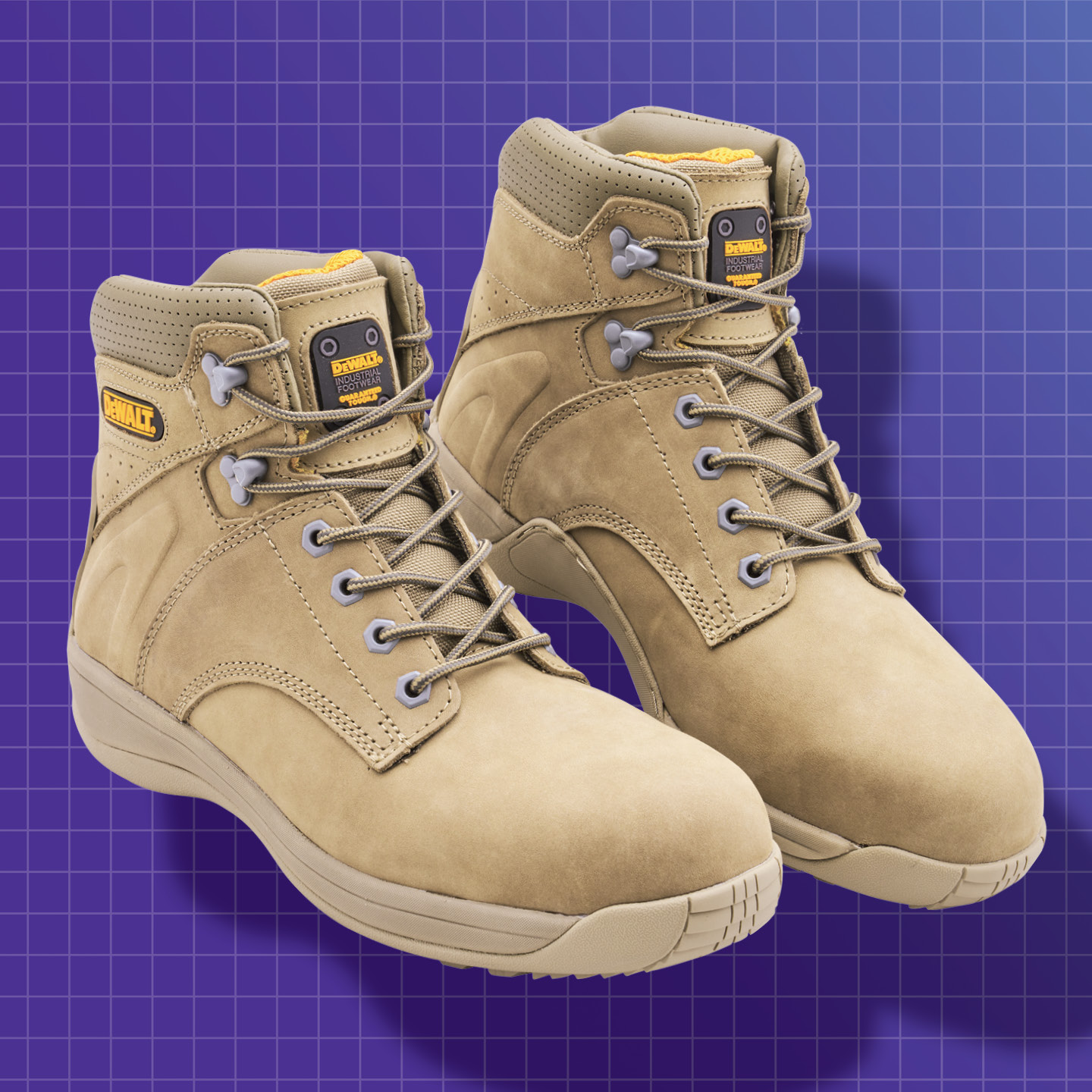
Extreme Stone SB Safety Boots
Cold ground, wet surfaces, and long hours on your feet make footwear one of the most important parts of effective winter workwear. The Extreme Stone SB Safety Boots are designed to provide protection, comfort, and durability throughout the colder months.
A protective safety toe cap offers essential on-site protection, while the padded quarter lining and cushioned tongue help retain warmth and reduce pressure on the foot during long shifts. Available in sizes 7–11, they combine proven performance with a modern stone colour finish.
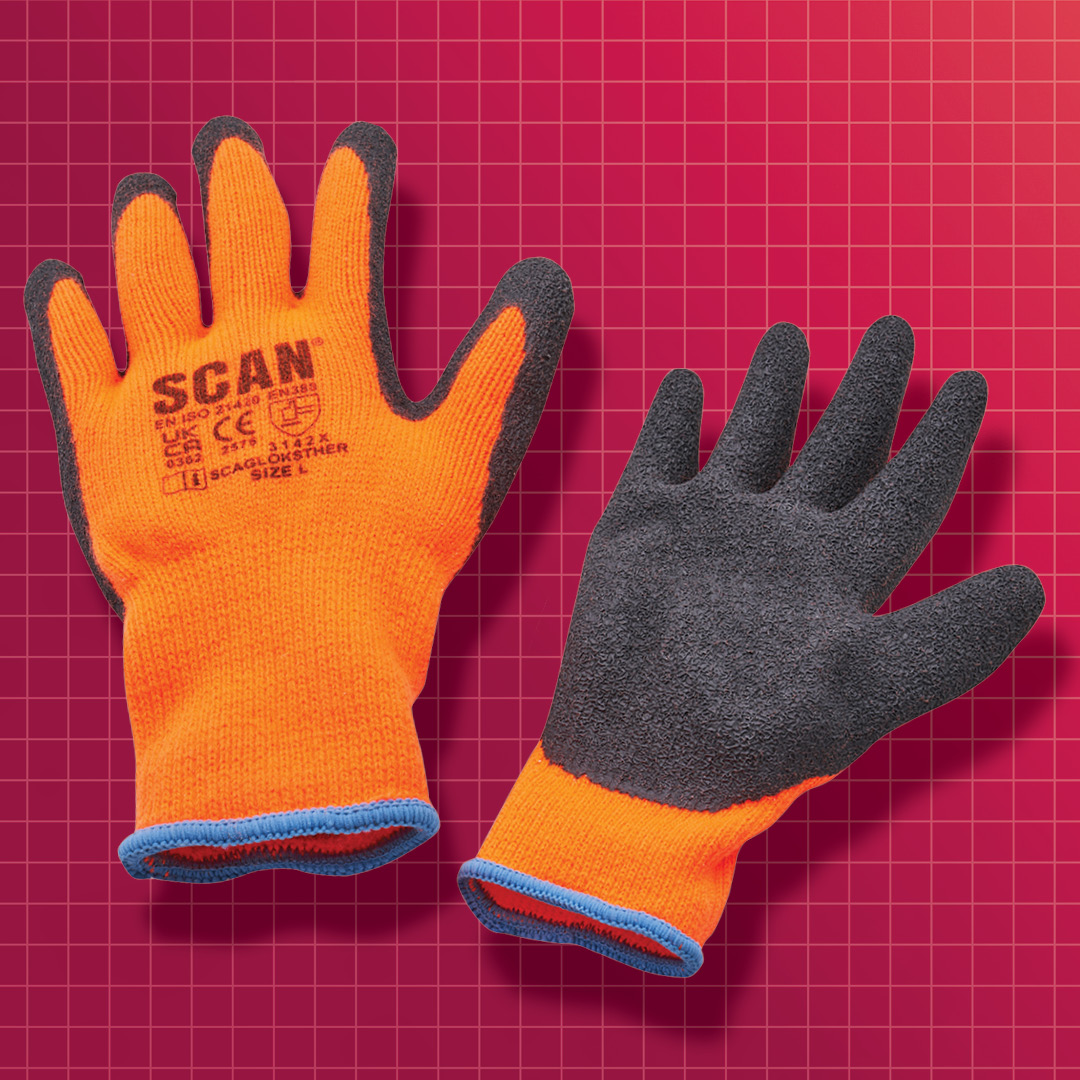
Dipped Thermal Latex Gloves
Hands are often the first area affected by cold weather, making thermal gloves a key part of winter site safety. These Dipped Thermal Latex Gloves feature a seamless 10g brushed acrylic thermal liner designed to retain heat while remaining flexible.
The black latex wrinkle coating provides strong grip in both wet and dry conditions, helping maintain control when handling tools and materials. These winter workwear gloves are ideal for daily use across varied site conditions.
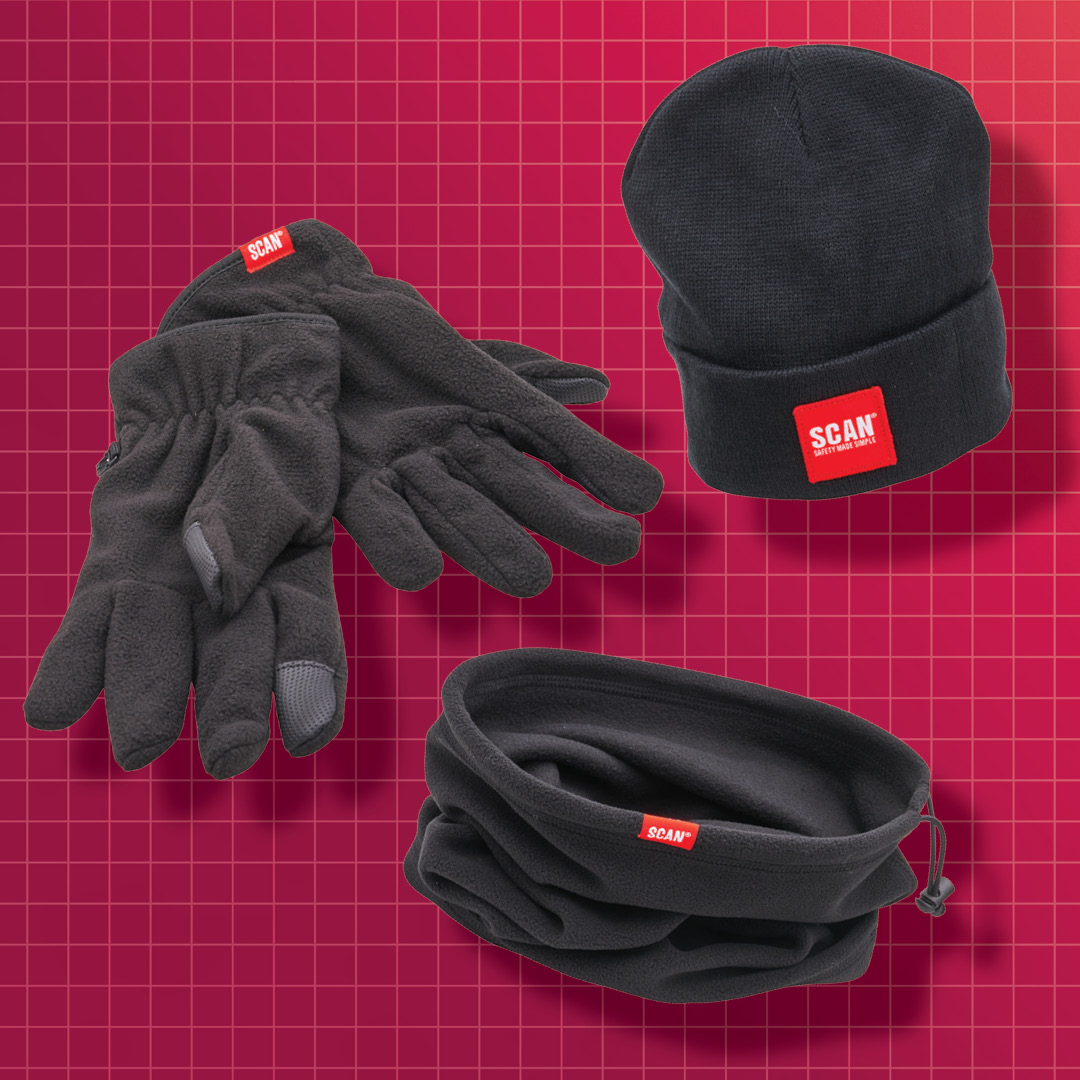
3 Piece Winter Essentials Pack
Layering plays a crucial role in regulating body temperature during cold weather, particularly when conditions change throughout the day. The 3 Piece Winter Essentials Pack is designed to support core warmth and comfort on site.
Together, these items form a practical addition to any winter workwear setup, helping reduce heat loss without adding unnecessary bulk.
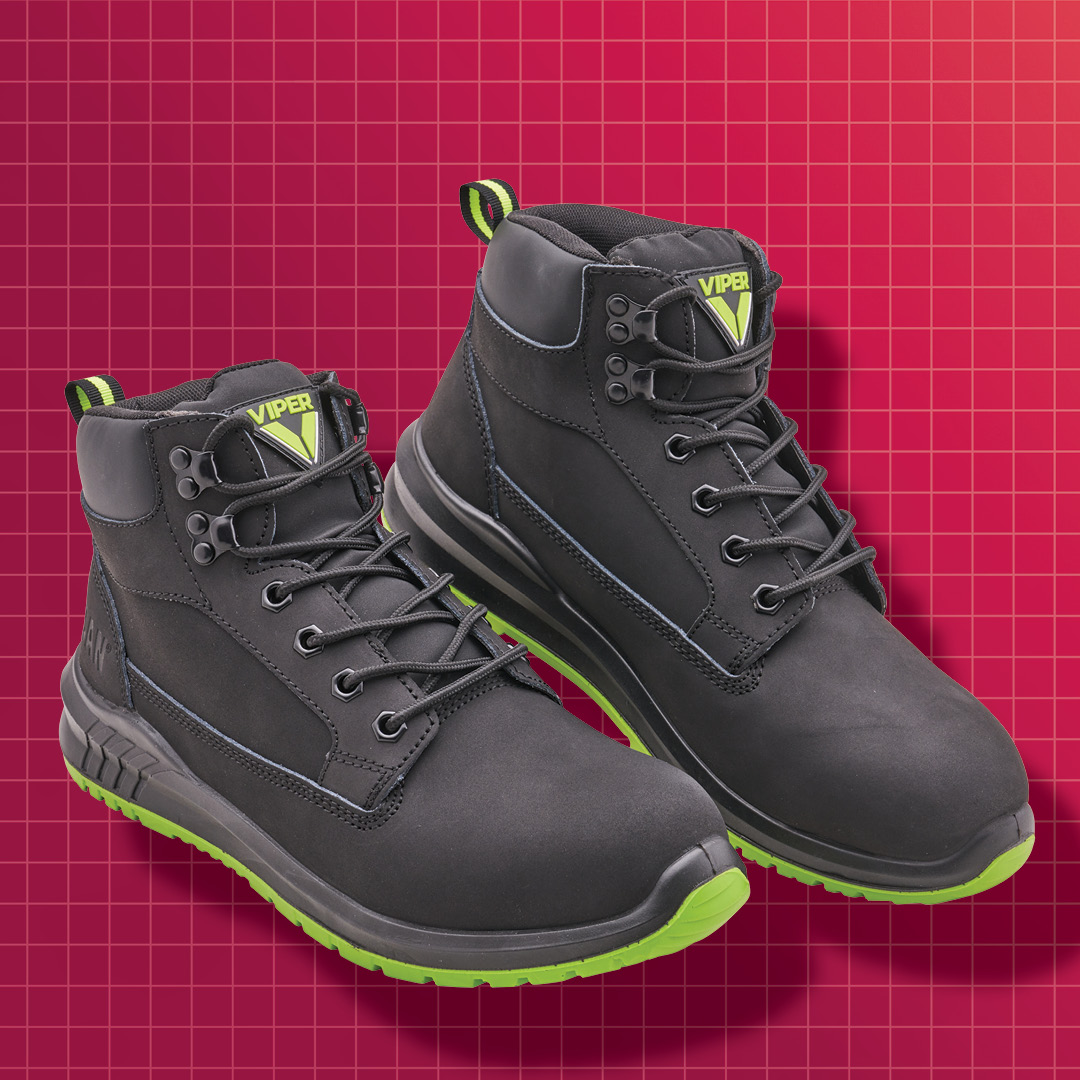
Viper SBP Safety Boots
Winter conditions increase the risk of slips and foot fatigue, especially on wet or oily surfaces. The Viper SBP Safety Boots are built to address these challenges with a focus on stability and protection.
Featuring slip, fuel, and oil resistance, along with an SRC-rated slip-resistant sole, these boots help maintain footing in hazardous conditions. For tradespeople seeking dependable builders winter workwear footwear, these boots are well suited to demanding winter sites.
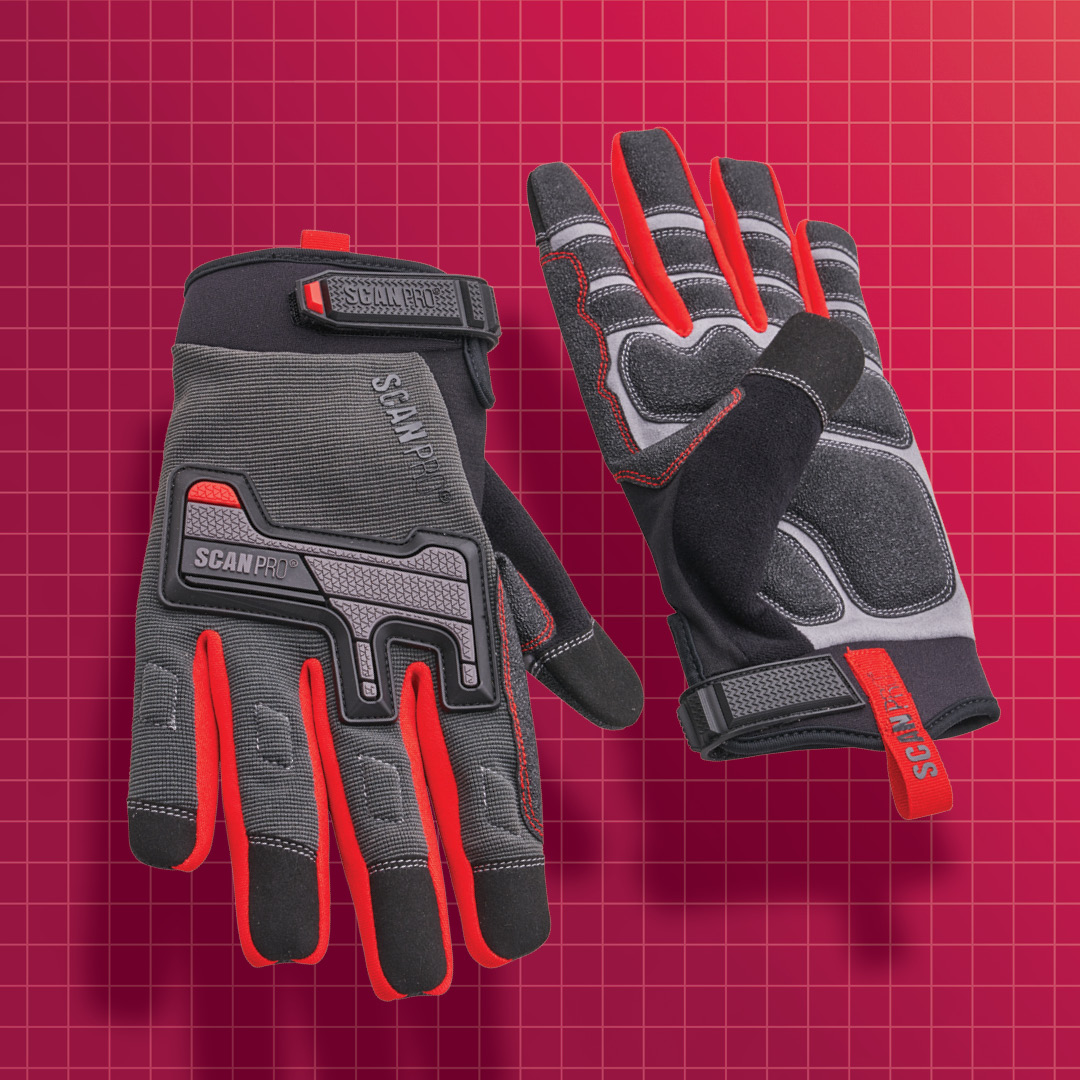
Pro-Mechanics Gloves
For tasks requiring precision, durability, and protection, Pro-Mechanics Gloves offer a balance of warmth and control. Their 4-way spandex stretch construction allows natural hand movement, while neoprene padding provides comfort and shock absorption during repetitive work.
A synthetic leather palm with a reinforced grip patch improves handling in cold conditions, and anti-impact TPR knuckle guards add an extra layer of protection. As part of a winter setup, they complement other winter workwear gloves by covering more technical applications.
The 3 Layer Rule For Winter Workwear
The 3 layer rule is widely recognised as the most effective way to manage body temperature in cold working conditions and is a core principle of practical winter workwear. Rather than relying on one heavy garment, this system uses multiple layers that work together to regulate heat, moisture, and protection from the elements.
Base layer – Worn closest to the skin, the base layer’s primary role is moisture management. By moving sweat away from the skin, it helps prevent dampness, which can quickly lead to heat loss in cold conditions. Thermal or moisture-wicking fabrics are most effective for winter work.
Mid layer – The mid layer provides insulation by trapping warm air close to the body. Materials such as fleece or insulated workwear help retain heat without adding excessive bulk, allowing workers to stay warm while maintaining freedom of movement.
Outer layer – The outer layer protects against wind, rain, and snow. A waterproof and wind-resistant outer layer helps prevent cold air and moisture from penetrating the inner layers, which is essential for maintaining warmth during prolonged outdoor work.
This layered approach allows workers to add or remove clothing as conditions change throughout the day, helping to prevent both cold stress and overheating while maintaining comfort and productivity on site.
How Many Layers Should You Wear to Avoid Cold Stress?
Most workers should wear two to three layers as part of their winter workwear, adjusting based on weather conditions, workload, and time spent outdoors. This range provides enough insulation to maintain body heat while allowing flexibility as activity levels change throughout the day.
Wearing too few layers increases exposure to cold air and wind, which can lead to cold stress, reduced circulation, and faster fatigue. On the other hand, wearing too many layers can cause overheating and sweating during physical work. When moisture builds up and activity slows, sweat cools rapidly, increasing the risk of heat loss and discomfort.
Factors that influence the number of layers needed include ambient temperature, wind chill, rain, and the intensity of physical work. For active tasks, fewer layers may be sufficient, while static or low-movement tasks often require additional insulation. Adjusting layers throughout the day helps maintain a stable body temperature and supports comfort, safety, and productivity in cold working environments.
Summary
Working through winter requires more than just extra clothing, it calls for winter workwear that supports warmth, safety, and performance on site. From insulated safety boots and reliable winter workwear gloves to effective layering systems, the right equipment helps manage cold conditions while maintaining comfort and mobility throughout the working day.
Understanding how to layer correctly, choosing footwear designed for winter conditions, and using gloves that balance warmth with dexterity can make a real difference during colder months. With the right winter workwear in place, tradespeople can stay focused, productive, and protected, even as temperatures drop.
To find winter workwear available near you, search for your local approved Get Kitted Out Stockist here and see what’s in stock in your area.