



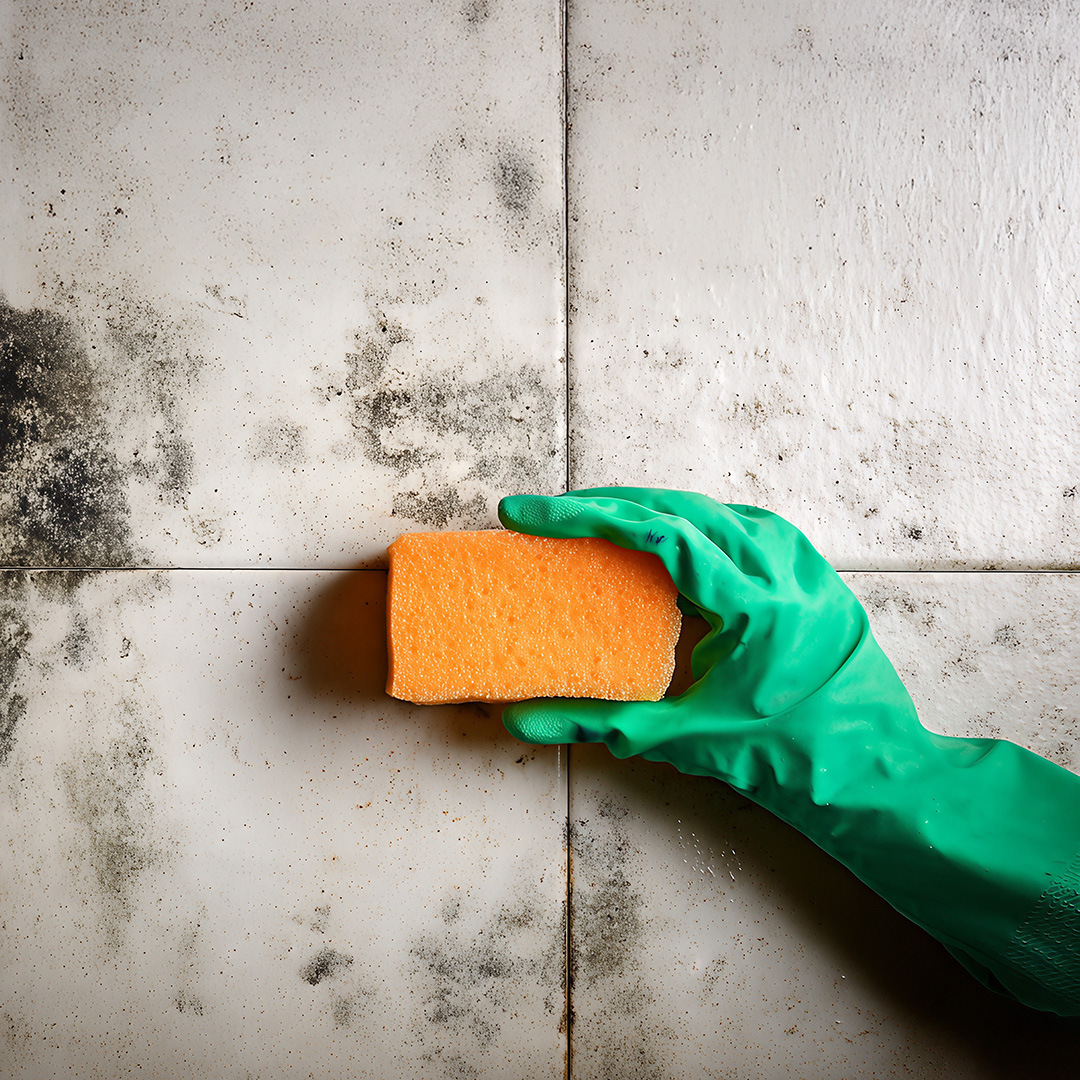
27th Jan 2026
How to Remove Mould from Walls: Cleaning & Prevention
Mould on walls can start small but quickly become a bigger problem if it’s not treated properly. This guide explains how to remove mould safely, why it appears, and how to stop it from coming back.
It usually starts small, a few dark specks near a window, behind a wardrobe, or in the corner of the bathroom. But mould rarely stays small for long, which is why learning how to remove mould from walls properly (instead of just wiping it away) makes such a big difference.
In this guide, we’ll walk through the safest and most effective cleaning methods, explain what causes mould in the first place, highlight the best mould spray and mould remover for walls, and show you how to prevent mould from returning.
Why Mould Grows on Walls
Before you start cleaning, it helps to understand why mould appears in the first place. Mould isn’t usually caused by “dirty walls”, it’s caused by moisture sitting on a surface long enough for spores to grow.
Mould spores are naturally present in the air both indoors and outdoors. The issue starts when they land on a wall that stays damp, especially in rooms that don’t dry out properly.
For mould to grow on walls, it typically needs three things:
- Moisture (from high humidity, condensation, leaks, or damp)
- A surface to cling to (painted plaster, drywall, wallpaper, or even dust and grease build-up on painted walls)
- Poor airflow (warm, damp air that doesn’t circulate, meaning the wall stays wet for longer)
The Most Common Reasons Walls Become Damp Enough for Mould
In most homes, mould forms because of one of these moisture sources:
- Condensation – This is the most common cause. Warm air holds moisture, and when it hits a cold surface (like an external wall or window area), it turns into water droplets. Over time, that dampness feeds mould.
- Poor ventilation – Bathrooms, kitchens, and bedrooms can trap moisture if extractor fans aren’t working properly or windows aren’t opened regularly.
- Cold spots and thermal bridging – Corners of rooms and external-facing walls are often colder, which makes condensation more likely. This is why mould often appears in the same places repeatedly.
- Hidden leaks or damp – Small leaks around pipes, windows, roofs, or gutters can create moisture behind paint or plaster, leading to mould that keeps returning after cleaning.
Where Mould Is Most Likely to Appear (and Why)
Mould tends to grow in places where moisture builds up and airflow is limited, such as:
- Behind wardrobes, sofas, and large furniture (air can’t circulate, walls stay cold and damp)
- In corners of rooms (cold spots + trapped air)
- On external-facing walls (colder surfaces = more condensation)
- Around windows and frames (regular condensation)
- In bathrooms and laundry areas (high humidity and steam)
Understanding the cause makes mould easier to deal with long-term, because even the best mould remover for walls won’t stop it coming back if moisture levels stay the same.
Is Mould on Walls Dangerous? (Including Black Mould)
It’s completely normal to feel concerned when you spot mould indoors, especially if it’s dark in colour. Many people search how to get rid of black mould because it looks more severe, and in some situations it can be more of a health risk, particularly for people with existing respiratory conditions.
In general, mould releases tiny spores into the air. When these spores are breathed in (or come into contact with skin), they can sometimes cause irritation or trigger allergy-like symptoms.
Common Symptoms Linked to Mould Exposure
Mould may cause or worsen symptoms such as:
- Sneezing, coughing, or a sore throat
- Wheezing or shortness of breath
- Asthma flare-ups
- Skin irritation or rashes
- Watery eyes or sinus congestion
- Headaches or fatigue (in some cases)
For many people, small amounts of mould won’t cause major problems, but it’s still something you should deal with as soon as possible to reduce exposure and prevent it spreading.
What Is “Black Mould”?
“Black mould” is a term people often use for any mould that appears dark grey or black on walls. While not all black-coloured mould is the same type, one of the most well-known types is Stachybotrys chartarum. This mould is more likely to grow in areas with persistent moisture, such as long-term leaks, ongoing condensation issues, or damp materials that stay wet.
Because of this, black mould can sometimes be a warning sign that the underlying moisture problem needs attention and not just a one-off clean.
When you should avoid DIY mould removal
Consider professional help if:
- The mould covers a large area (e.g. more than 1 square metre)
- It keeps returning quickly after cleaning
- You suspect mould is behind wallpaper, behind plasterboard, or inside insulation
- Anyone in the home is high-risk (asthma, allergies, immune conditions)
For more official guidance on symptoms and safety, read this advice on mould exposure and health risks.
What You Need to Remove Mould From Walls Safely
Before you begin, make sure you have the right tools. This helps you remove mould effectively and reduces the chance of spreading spores around the room.
Safety Checklist
Wear and use:
- Rubber gloves
- A mask (ideally an FFP2/N95-style mask)
- Eye protection (especially if using a mould spray)
- A cloth or sponge you can dispose of or wash thoroughly
- A bucket of clean water for rinsing
- Good ventilation (open windows and doors)
What NOT to Do When Cleaning Mould
Avoid these common mistakes:
- Dry brushing mould (can release spores into the air)
- Painting over mould without treating it first
- Mixing chemicals, especially bleach and ammonia-based cleaners
- Ignoring the underlying moisture source
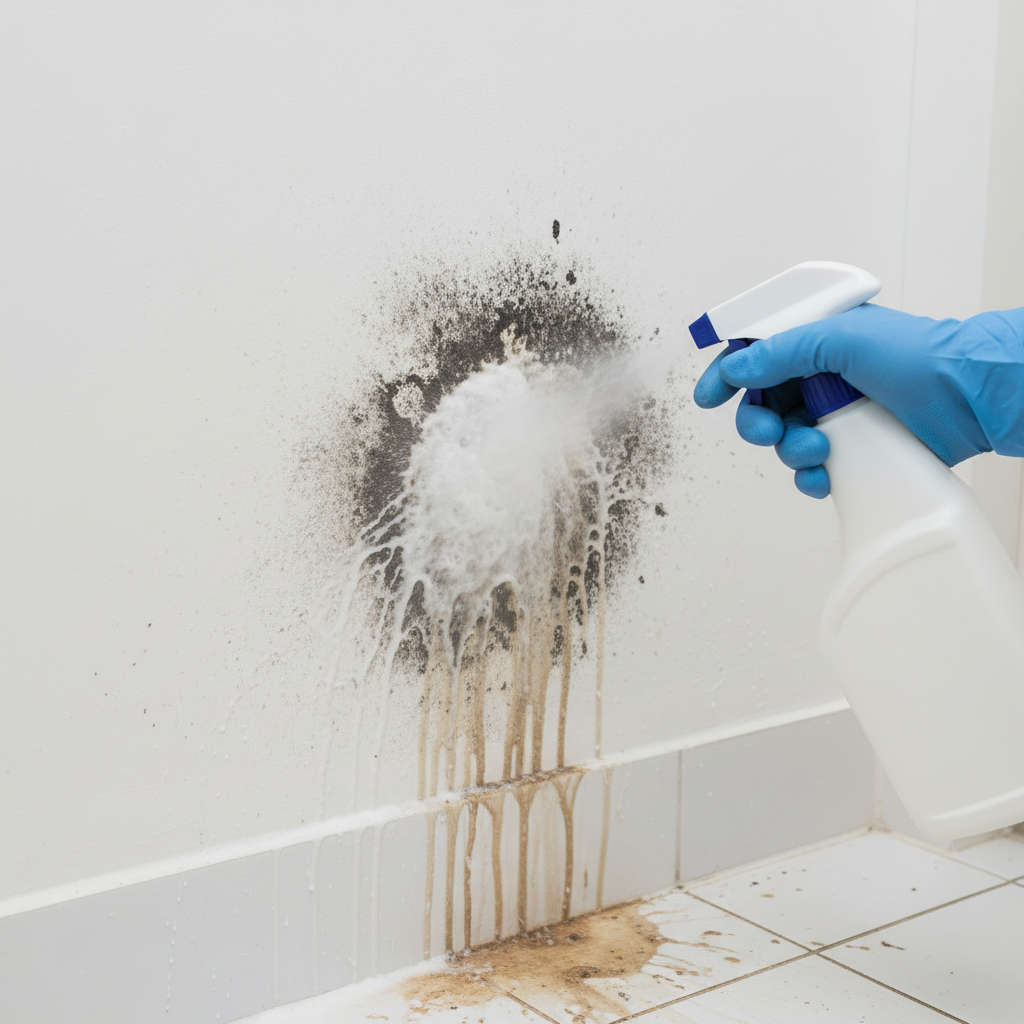
How to Remove Mould From Walls (Step-by-Step)
If you’re wondering how to clean mould off walls, the best method depends on two things: how far the mould has spread and what kind of surface it’s sitting on. A small patch of surface mould in a well-ventilated room can often be treated quickly, while mould that keeps returning (or covers a larger area) usually needs a stronger approach and a closer look at what’s causing the moisture in the first place.
The goal isn’t just to wipe away what you can see. To properly remove mould from walls, you want to kill the mould, clean the area thoroughly, and dry the wall completely so it doesn’t grow back a week later.
Follow these steps for safe, effective results.
Step 1: Ventilate and Prepare the Area
Before you start cleaning, ventilating the room helps reduce strong fumes from products and lowers the chance of breathing in mould spores while you work.
Before applying any mould remover, do the following:
- Open windows and doors to create airflow
- Turn on extractor fans if you have them
- Move furniture away from the wall so you can clean the full area properly
- Protect the floor and nearby items using an old towel, sheet, or plastic cover
If possible, avoid touching the mould while it’s dry, disturbing it can release spores into the air and spread them to nearby areas.
Quick tip: If the patch is on a painted wall, check for flaking or bubbling paint first. This can be a sign the moisture problem is more than surface-level.
Step 2: Choose the Best Cleaning Method for Your Wall
The best way to remove mould from walls depends on how bad the mould is and what surface you’re cleaning. For most homes, a dedicated mould product is the quickest and most reliable solution.
Common options for removing mould:
- Commercial mould spray / mould remover (fast, strong, and easy to apply)
- HG mould spray / HG mould remover (a popular branded option people often choose)
- DIY options like white vinegar (can help for light mould, but may not work on heavy or recurring patches)
If the mould has spread across a larger area, keeps returning, or is deeply stained, a specialist mould remover for walls is usually the most effective option.
Step 3: Apply Your Mould Remover (or Mould Spray)
Once you’ve chosen your product, it’s important to apply it properly so it works effectively without damaging the wall surface.
Here’s what to do:
- Apply the mould spray directly onto the affected area
- Leave it to sit for the recommended time (always follow the label instructions)
- Avoid soaking the wall if it’s painted plaster, drywall, or wallpapered
Tip: Don’t scrub straight away. Most mould removers need a few minutes to break down the mould first, scrubbing too early can spread it around instead of lifting it off.
Step 4: Wipe Away Mould Carefully
After the product has had time to work, remove the mould gently and thoroughly.
To clean it properly:
- Use a damp cloth or sponge to wipe the wall
- Wipe gently from the outside of the patch inward
- Use clean sections of the cloth as you go, so you’re not spreading mould back across the wall
If there’s still visible mould, apply the product again and repeat the process rather than scrubbing aggressively.
This step is especially helpful for anyone searching: how to get rid of mould on walls, how to remove mould from walls, how to clean mould off walls.
Step 5: Rinse the Wall (If Needed) and Dry Completely
Some mould removers should be wiped off only, while others may need rinsing, always check the label. Either way, drying the wall is one of the most important parts of the process, because mould thrives in damp conditions.
To dry the area properly:
- Pat the surface dry with a clean towel
- Keep windows open for airflow
- Use a fan or dehumidifier if the room stays humid
If moisture remains in the wall, mould can come back within days, even if it looked “gone” after cleaning.
Step 6: Monitor the Area for Regrowth
Over the next 7–14 days, keep an eye on the spot you cleaned. If you notice mould returning quickly, it usually means there’s still a moisture problem feeding it.
Common causes include:
- Ongoing condensation or high humidity
- Poor ventilation (especially in bathrooms and bedrooms)
- A leak behind the wall (pipes, roof, window seals)
- Damp that hasn’t been properly treated
At this stage, prevention becomes just as important as cleaning, because even the best mould remover won’t solve mould long-term if the wall continues to stay damp.
Best Mould Remover for Walls: What Actually Works?
Not all mould products work the same way, which is why choosing the right mould remover for walls matters. Some options are designed to deal with light surface mould quickly, while others are better for stubborn patches, recurring problem areas, or mould that has started to stain the paintwork.
The best approach depends on how severe the mould is, what type of wall surface you’re cleaning (painted, porous, wallpapered), and whether the moisture problem is temporary or ongoing. Below, we’ll break down the most common types of mould sprays and removers, how they work, and when each one is the most effective choice.
HG Mould Spray / HG Mould Remover
HG is one of the most commonly searched brands for mould removal, and many homeowners use it for quick wall treatment.
If you’re using it, always prioritise:
- ventilation
- protective gear
- careful application to painted surfaces
Liquid Mould Removers
Liquid mould removers can be useful when:
- you want more control over application
- you need to treat a larger area
- you’re cleaning walls with more delicate paint finishes
They can also be a good option if you prefer wiping rather than spraying.
DIY Options (Like White Vinegar)
Some people prefer natural methods when learning how to get rid of mould without using strong chemicals.
White vinegar may help with light mould, but it can be less effective for:
- thick or recurring mould growth
- deep staining
- high-moisture environments
For recurring mould, a proper mould remover or moisture control solution is usually more effective long-term.
How to Remove Mould Stains Without Damaging Paint
The best way is to clean the area again using a mould remover, then wipe gently with a soft cloth (without scrubbing) and make sure the wall is fully dried before repainting or sealing.
Sometimes the mould itself is gone, but the wall still looks dirty or discoloured. This happens because mould can leave staining behind, especially on white or light-coloured paint.
Even after you’ve worked out how to get rid of mould on walls, the marks can remain because mould pigments can absorb into the paint surface or leave residue behind.
If staining is still visible after cleaning:
- Repeat the cleaning process once more, especially on darker patches
- Avoid aggressive scrubbing, as it can scuff paint or lift the finish
- Wipe gently in one direction, rather than rubbing in circles
- Only repaint once the wall is completely dry and mould-free
If you repaint too early, moisture can become trapped behind the paint and the mould may return underneath, sometimes spreading before you even notice it.
How do you stop mould from coming back on walls?
The key is to reduce moisture, improve airflow, and fix the underlying cause (like condensation or leaks). Even if you know how to remove mould from walls, it will often return if the wall stays damp or the room doesn’t dry out properly.
Here are the most effective ways to prevent mould on walls long-term:
Improve Ventilation (The Fastest Fix)
Ventilation is one of the quickest ways to stop mould from returning because it helps remove moist air before it settles on cold walls.
To improve ventilation:
- Run extractor fans during showers, baths, and cooking
- Keep the fan running for 10–20 minutes after steam is created
- Leave bathroom doors closed while showering (to stop moisture spreading)
- Open windows regularly, even for a few minutes in colder weather
- Keep furniture a few centimetres away from walls to allow airflow behind it
Reduce Condensation and Humidity
Condensation is one of the most common reasons mould comes back in the same spots, especially on external walls, corners, and around windows.
To reduce condensation and indoor humidity:
- Use a dehumidifier in problem rooms
- Avoid drying clothes indoors without ventilation
- Keep heating steady in winter to reduce cold surfaces
- Wipe condensation off windows and sills before it runs onto walls
Fix the Root Cause (Leaks and Damp)
If mould keeps coming back after cleaning, it’s often a sign of an ongoing moisture source and cleaning alone won’t solve it permanently.
Check for common causes such as:
- Leaking gutters or downpipes
- Plumbing leaks behind bathrooms or kitchens
- Cracked seals around windows
- Roof issues or ceiling stains
- Rising damp (especially in older homes)
If moisture is still feeding the wall, mould can return even after using the best mould remover.
Should You Use Mould Resistant Paint?
Mould resistant paint can be a helpful part of preventing mould from returning, but it isn’t a standalone solution. It works best as a finishing step after you’ve already tackled the cause of the mould (like condensation, poor ventilation, or leaks).
Most mould resistant paints contain additives that make it harder for mould to grow on the surface of the paint. This can be especially useful in rooms where moisture is common, such as bathrooms, laundries, and kitchens.
However, it’s important to understand that mould resistant paint works on the paint surface only, it won’t fix damp walls or stop mould growing back if moisture is still present behind the paint.
It works best when:
- The mould has already been removed properly
- The wall is fully dry before painting
- Ventilation and moisture control have improved (so the wall isn’t constantly damp)
- The area is prone to humidity (but not active leaks or untreated damp)
If moisture remains, mould resistant paint may slow regrowth or help reduce surface mould over time, but it won’t solve the underlying problem and mould may still return underneath or around the painted area.
Can I just paint over mould on walls?
No, painting over mould on walls usually leads to it returning underneath the paint. Always remove the mould first, treat the area properly, and fix the moisture issue before repainting.
Does bleach remove mould from walls?
Bleach can remove some mould staining on walls, but it doesn’t always penetrate porous surfaces where mould roots can remain. For more reliable results, many people use a dedicated mould remover for walls instead.
What’s the fastest way to get rid of mould on walls?
The fastest way to get rid of mould on walls is usually a quality mould spray made for wall surfaces, followed by wiping it away carefully and drying the wall completely to prevent regrowth.
Why does mould keep coming back?
Mould keeps coming back when the underlying conditions stay the same, usually condensation, poor ventilation, or a hidden leak. Even if you know how to remove mould from walls, it can return if the moisture source isn’t fixed.
Can I remove mould myself, or do I need a professional?
You can usually remove small patches of mould yourself if you clean it safely and the area is well ventilated. If mould is widespread, keeps returning, or affects high-risk people, it may be safer to contact a professional.
Final Thoughts: Removing Mould From Walls the Right Way
When it comes to how to remove mould from walls, the most important thing to remember is that cleaning is only half the solution, mould usually comes back when moisture is still present.
Our expert tip: if you remove the mould but don’t improve ventilation or reduce condensation, it’s very common to see regrowth in the same spots within a few weeks (especially in bathrooms, bedrooms, and on external-facing walls).
To summarise, the best way to remove mould from walls is:
- Ventilate the room and protect yourself
- Use a suitable mould remover for walls or mould spray
- Wipe carefully and dry the wall completely
- Fix the moisture problem so it doesn’t return
If you’re dealing with mould on other surfaces, you may need a different approach depending on the material.
Check out our related posts to help you solve your mould problems:
“How Do You Remove Mould from Material Without Causing Damage?”
“How Do You Remove Mould from Fabric, Clothing, and Soft Furnishings?”
Looking for the right products to tackle mould properly? Find your local Get Kitted Out Approved Stockist, where knowledgeable staff can help you choose the best solutions for your home and project.